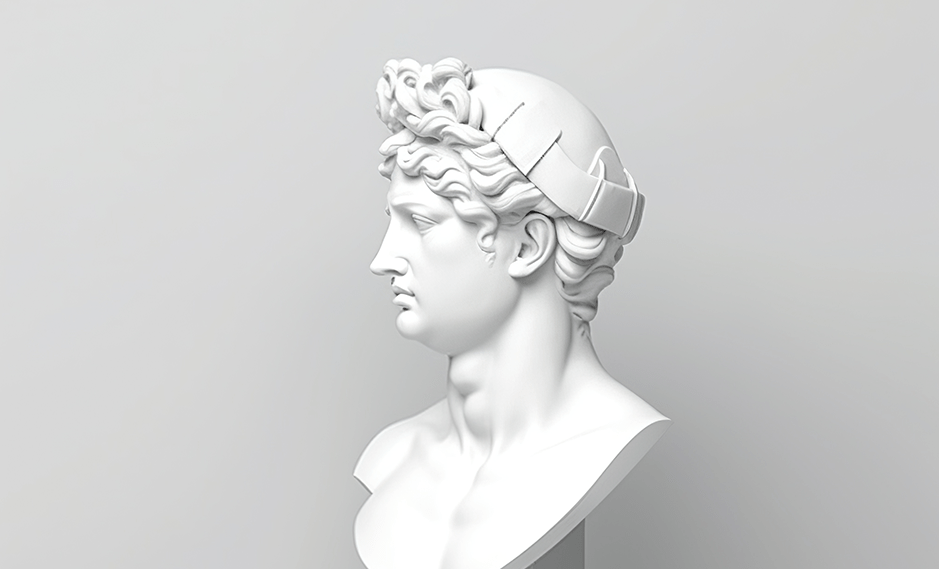
AI influencers vs human influencers
AI Influencers vs. Human Influencers: What Each One Actually Delivers
An AI influencer gives a brand total control and zero scandal risk. A human influencer gives a brand the one thing every recommendation ultimately runs on: the sense that a real person actually tried the product. That's the honest tension at the center of the debate and understanding it is the key to using a digital identity well, rather than expecting it to do a human's job.What an AI Influencer Actually Is
An AI or virtual influencer is a computer-generated persona that posts, engages, and builds a following the way a human creator would. Some are stylized characters; others are hyperrealistic AI humans designed to look and feel almost indistinguishable from a real creator. The category has been around long enough with well-known personas fronting major campaigns for years that it's well past the novelty stage. What defines a virtual influencer is that every post, opinion, and outfit is a deliberate brand decision, not an independent person's choice. That total control is the entire appeal of the format, and it's also exactly where its limitations begin.An AI influencer doesn't need to pretend it's human to be trusted. It needs to be built like it matters.

Where AI Influencers Genuinely Win
Control is the headline advantage. A well-built AI brand ambassador never goes off-message, never ages out of a campaign, and never creates the kind of personal scandal that can drag a brand's name down with it. For risk sensitive categories, that predictability alone is worth a great deal. Scale follows close behind. Once a persona exists, it can post across multiple markets and languages around the clock, without a single contract renegotiation. Producing more content becomes a production decision rather than a fresh negotiation with someone who has their own calendar, opinions, and plansThe Real Challenge: Earning Belief, Not Just Attention
Where AI influencers have historically struggled is lived experience. A virtual persona has never actually used a product, and audiences are increasingly good at sensing when a recommendation reads as a script rather than a genuine reaction. A striking AI persona can capture attention easily; earning belief takes more. This is exactly why craftsmanship matters so much more than novelty. A digital identity built quickly, with little thought given to personality, consistency, or tone, will always feel hollow and audiences notice. A digital identity built with real creative direction, on the other hand, can build the kind of familiarity and trust that starts to close that gap.What Human Influencers Still Do Better
Real creators bring real life: genuine reactions, ongoing relationships with their audience, and the kind of everyday credibility that comes from being an actual person with actual opinions. That transfer of trust a follower extending belief in a product because they already believe in the person recommending it is still something no digital persona replicates perfectly. For brands, this isn't a reason to avoid AI influencers. It's a reason to be intentional about where each format is used.Closing the Trust Gap With Craftsmanship
The trust gap between human and AI influencers isn't fixed it narrows significantly with how the persona is built. A hastily generated character will always struggle to feel credible. A digital identity developed the way a real brand ambassador would be with a defined personality, consistent expression and styling, a coherent voice, and a story that holds together across every platform earns a different kind of trust: not "this is a real person," but "this is a deliberately crafted identity I recognize and understand." That's the standard BrandFaceLab builds to. Every BrandFace, Ambassador, or Digital Replica is developed through the same rigor as a human talent partnership precision in the creative process, consistency across every touchpoint, and honesty about what the identity is because that's what actually makes an AI-powered persona worth following.Matching the Format to the Message
The simplest way to think about this: use a digital influencer to build a character, and reserve human voices for moments where lived experience genuinely is the message a personal health story, a founder narrative, a deeply individual testimonial. For everything else brand storytelling, consistent visual identity, always-on content, campaigns where control and scale matter more than a single person's personal history a well-built AI influencer is not a compromise. It's the stronger tool.
Disclosure matters here too. Being transparent about a persona's synthetic nature isn't a weakness to manage around as prior research on digital endorsers shows, audiences respond better to AI personas that are open about what they are than to ones that try to pass as something else.